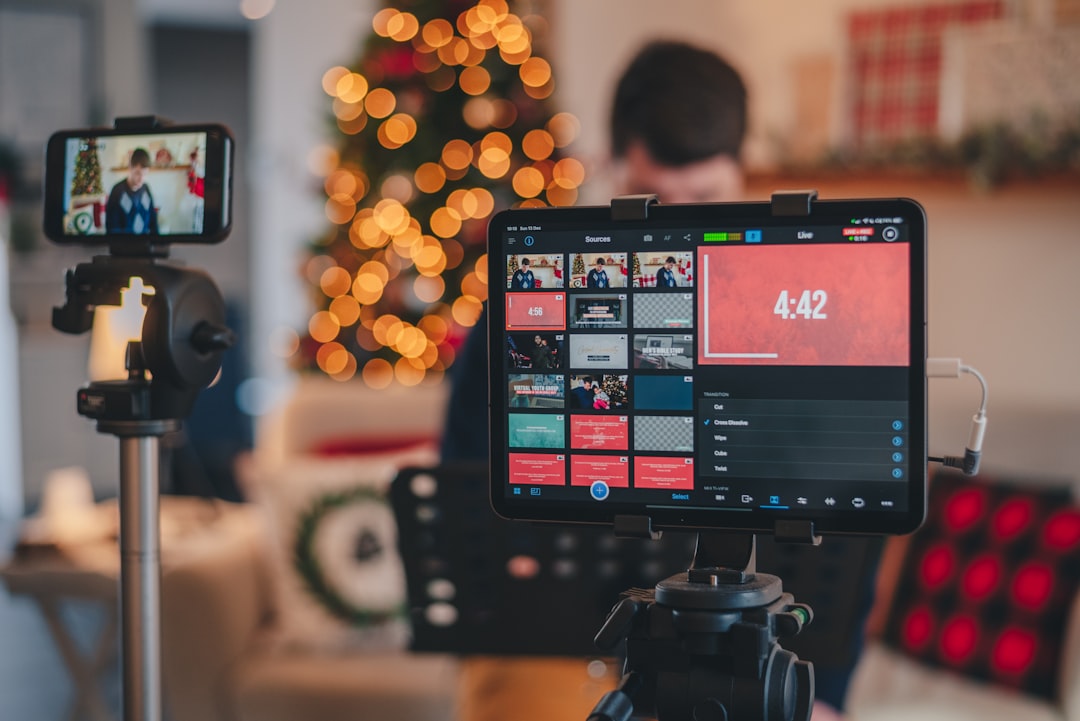
What Creator Livestreams Can Learn From Trading Streams: Format, Transparency and Trust
Borrow trading-stream tactics—real-time graphics, disclaimers, and moderated Q&A—to make creator livestreams more trusted and monetizable.
Trading livestreams succeed for one simple reason: they make uncertainty watchable. Viewers return because the stream is structured, the information is visible in real time, and the host signals trust through process rather than hype. That same playbook is incredibly useful for creators who want a stronger livestream format, better real-time graphics, clearer moderation, and more durable monetization. If you’ve been looking for ways to make your live content feel more professional without turning it into a sterile broadcast, this is the blueprint. For broader context on repeatable live formats, see our guide on content formats that build repeat visits and our breakdown of audience retention analytics.
The biggest mistake creators make is assuming “more casual” automatically means “more authentic.” Trading streams prove the opposite: viewers trust creators who clearly define the rules of the room, show what’s happening, and moderate the conversation with intention. That doesn’t mean your art stream, fitness livestream, podcast, product launch, or reaction show needs charts and candles. It means your stream design should borrow the principles behind those market channels: visible structure, consistent overlays, strong disclaimers, and responsive Q&A. The result is a live experience that feels more valuable, more sponsor-friendly, and easier for audiences to understand and support.
1. Why trading streams are such a strong model for creators
They turn uncertainty into a repeatable viewing habit
Trading livestreams are built around a promise: “Stay with me and you’ll see how the market develops.” That creates a natural reason to remain on the stream longer than a quick highlight clip or short-form reel. For creators, the parallel is obvious—people will stay if your livestream has a clear promise and a visible progression. A cooking creator can reveal a final dish step by step, a game creator can work toward a ranked win, and a business creator can build a landing page live while fielding questions.
This is why repeat-view channels often win on structure, not charisma alone. The stream becomes a scheduled ritual with familiar segments, similar to how successful media properties create anticipation and continuity. If you want to engineer that kind of habit, study formats that encourage return visits, like the fan-favorite membership funnel or the recurring engagement logic in reunion-style event programming. The lesson is simple: people don’t just watch outcomes; they watch process.
Visible process lowers friction for new viewers
New viewers often leave within the first minute because they can’t quickly answer three questions: What is this stream about? Why should I care now? What do I do if I want to participate? Trading streams answer those questions with on-screen labels, real-time dashboards, and routine verbal framing. Creators can do the same using overlay templates, pinned messages, and clean section headers.
That’s where a thoughtful stream design matters more than an expensive camera. Even a simple webcam setup can feel premium when paired with a clear agenda, a visible progress bar, and captioned callouts. If you want more inspiration for packaging and presentation, look at how executive thought leadership video series use recurring segments and how premium packaging design changes perceived value. Your stream should tell the viewer, in seconds, what kind of experience they are entering.
Trust compounds when the host behaves like a guide, not a gambler
The most effective trading channels don’t position the host as an all-knowing oracle. They position the host as a guide who explains the setup, the risk, the conditions, and the possible outcomes. That distinction is critical for creators, because audiences are increasingly skeptical of exaggerated promises. If your livestream is built around “You won’t believe this!” or “We’re about to go viral!” you may get a click, but you will struggle to build trust.
By contrast, a creator who narrates process honestly—what is known, what is uncertain, what has changed, and what still needs to happen—builds credibility over time. This is the same trust logic used in verified profiles and service marketplaces, where credibility depends on signals, not claims. For more on trust markers and verification, see trusted profile badges and ratings and identity verification challenges, both of which show how confidence is engineered before a transaction ever begins.
2. Build a livestream format viewers can instantly understand
Start with a fixed show spine
The easiest way to improve retention is to create a show spine—a repeatable sequence of sections that viewers learn over time. Trading livestreams typically follow a recognizable rhythm: opening market context, chart review, risk framing, Q&A, live updates, and recap. Creators can adapt this pattern to almost any niche. A streamer might use: intro and objective, main segment, audience poll, live demo, Q&A, and closing CTA.
This structure reduces cognitive load. Instead of trying to decode a new format every session, viewers can settle into the flow and anticipate the next segment. That predictability is not boring; it is reassuring. When people know what kind of value is coming next, they are more likely to stay, chat, and return.
Use a “now / next / later” framework
One of the simplest borrowing points from trading streams is the on-screen “now / next / later” framing. It can be used in creative tutorials, product reviews, brand livestreams, and community shows. “Now” tells viewers what you’re doing at this moment. “Next” gives them a reason to stay. “Later” signals the payoff or reveal that sits further ahead in the stream.
This framework also improves monetization because it creates multiple CTA moments without feeling spammy. You can place a membership pitch after the “next” segment, mention a sponsor during the “now” segment, and invite replay viewers to a downloadable resource during the “later” recap. For creators who want to turn one live session into a bigger funnel, our guide on chatbots for selling merchandise and services and packaged prompts and micro-courses is a useful next step.
Make each segment legible in under five seconds
Trading audiences expect immediate readability. A chart, a label, and a simple callout can convey much more than a paragraph of speech. Creator livestreams should follow that logic by designing overlays that announce the segment, the topic, and the current status in a glance. If the viewer tunes in midstream, they should not feel lost.
That means avoiding cluttered lower-thirds, tiny text, and too many animated elements competing for attention. Clear stream design is not just an aesthetic choice; it is a usability feature. When your audience can instantly tell what is happening, they stay focused on your content instead of trying to orient themselves.
3. Real-time graphics that make streams feel alive
Turn data into a visual language
Trading streams use real-time graphics because markets move continuously and the audience needs to track change as it happens. Creator streams can replicate that feeling by showing progress indicators, live goals, chat milestones, donation meters, audience vote totals, or task checklists. These aren’t just decorative widgets; they make abstract effort visible.
For example, a design creator could show a “version 1 to version 3” progress bar while building a logo live. A coach could display “questions answered today” or “workouts completed this week.” A game creator might use challenge trackers or win counters. In each case, the graphic transforms passive viewing into a story of motion and accumulation.
Keep overlays modular, not permanent
One of the smartest lessons from market channels is that overlays should support the moment, not dominate it. The best templates are modular: one layout for intro and housekeeping, another for deep teaching, another for Q&A, and another for sponsor reads. This lets creators adapt the stream to content without rebuilding everything from scratch every time.
Modular design also reduces production stress. When your team can switch scenes quickly, you can move from a teaching segment into audience questions without awkward dead air. That kind of smooth transition makes the stream feel expensive even when the setup is modest. If you want more ideas on production and visual presentation, the logic in home viewing setup optimization and high-value budget tech accessories applies surprisingly well to live overlays and scene composition.
Use visual trust signals, not just visual flair
Real-time graphics should do more than look good. They should communicate honesty, process, and constraints. Trading streams frequently display disclaimers, session scope, or risk reminders right in the frame. Creators can do the same with “live and unfiltered” labels, sponsor transparency tags, or a visible note when content is sponsored, experimental, or subject to change.
Pro tip: The most powerful overlay in your stream may be the simplest one: a clean disclaimer that tells viewers exactly what the session is, what it is not, and how they should participate.
That’s a direct trust lever. It says you care about clarity, not manipulation. In an era when publishers and creators are judged by their transparency as much as by their content, this small design decision can meaningfully improve audience confidence.
4. Transparency is your strongest monetization asset
Say the quiet part out loud
Trading channels know that legal and ethical clarity is not a side note; it is part of the product. Their disclaimers exist because viewers need to understand the limits of the content. Creators should adopt the same mindset in livestreams, especially when money, tools, affiliate links, or sponsorships are involved. If your audience knows exactly how you earn and what influences recommendations, they are less likely to feel misled.
Transparency is especially important for creator monetization because live audiences can react in real time. A sudden ad read without context can feel jarring. A clear note at the top of the session—“This stream includes affiliate links,” “Today’s demo is sponsored,” or “I’ll be taking audience-submitted products for review, but sponsors do not control my opinions”—makes the experience more trustworthy and more scalable.
Disclose risk, bias, and limits in plain language
Not every creator faces financial risk, but nearly every creator faces credibility risk. If you review tools, recommend software, or walk viewers through a workflow, be explicit about what worked for you, what didn’t, and what conditions may change the result. That kind of honesty is common in market analysis streams because viewers know the market is dynamic; creators should apply the same humility to algorithms, gear, and tactics.
This aligns with broader media trust best practices, including clear corrections, visible sourcing, and rapid-response communication. For a deeper perspective on how publishers can handle uncertainty and reputational risk, see publisher rapid-response templates and conversion-led decision making. In live content, trust is often won by telling viewers what you know and what you don’t know.
Transparency improves conversion, not just compliance
Many creators fear that being too transparent will reduce clicks or lower conversions. In practice, the opposite is often true. Clear expectations reduce hesitation, and hesitation is one of the biggest barriers to monetization. When viewers understand the value proposition, they’re more willing to buy memberships, attend paid events, or click a recommendation because they feel informed rather than pressured.
That’s why honest structure beats vague enthusiasm. A stream that openly explains what the sponsor is, what the creator stands to gain, and what the audience gets in return typically performs better over time than a stream that hides the commercial relationship. Trust is not the enemy of revenue; it is the engine of sustainable revenue.
5. Moderated Q&A is a growth tool, not just a safety tool
Trading streams curate questions to preserve focus
Anyone who has watched a high-volume live chat knows how fast good content can disappear into noise. Trading channels often use moderators or pinned prompts to keep questions relevant to the session theme. Creators should do the same. A moderated Q&A section lets the host stay on-topic while still giving the audience a voice.
This is especially useful for creator livestreams with mixed audiences. New viewers need orientation, regulars want nuance, and super-fans want a chance to ask detailed questions. A moderator can triage these needs by collecting relevant questions, filtering repetition, and surfacing the most useful comments. The result is a conversation that feels inclusive without becoming chaotic.
Use question lanes to guide the audience
Instead of inviting “any questions,” create lanes such as “tool setup,” “strategy,” “workflow,” and “behind the scenes.” That approach improves moderation and helps viewers self-select. It also makes the stream feel more premium because the audience sees that their time is being respected. If questions are grouped and answered in order, the session feels organized rather than reactive.
Creators can borrow from the way event programming balances openness and direction. A good live experience often has the energy of a community gathering but the structure of a professional broadcast. For more on that balance, see creator event programming and attendance-driving community event tactics. Moderated Q&A is one of the best ways to preserve warmth while improving control.
Moderation protects monetization and brand safety
Moderation is not only about keeping trolls away. It also protects sponsor relationships, prevents off-topic derailment, and keeps the archive usable for future viewers. A stream with clean Q&A segments is easier to clip, easier to repurpose, and easier to sell. That matters because monetization increasingly depends on the total value of your live output, not just the number of people who were present at the moment.
If your moderation system is strong, sponsors are more likely to view your stream as a safe environment. That can lead to better rates, more repeat deals, and stronger long-term partnerships. If you’re building a business around live content, this is not optional hygiene; it is part of the revenue model.
6. The creator livestream stack: a practical comparison
What trading streams do versus what creators should adopt
The table below compares common trading-stream tactics with creator-friendly equivalents. The goal is not to copy the finance niche blindly, but to translate what makes it effective into a broader live content strategy. Notice how the best practices all reduce confusion, make value visible, or increase trust. Those are universal live-stream advantages.
| Trading Stream Tactic | Why It Works | Creator Livestream Equivalent | Monetization Benefit |
|---|---|---|---|
| Real-time chart overlays | Makes change visible at a glance | Progress bars, goal trackers, live results dashboards | Improves retention and watch time |
| Risk disclaimer banner | Sets expectations and builds credibility | Sponsor disclosure, affiliate transparency, content scope note | Reduces friction and boosts trust |
| Segmented agenda | Helps viewers follow the session | Fixed show spine with named segments | Makes sponsorship slots easier to sell |
| Moderator-led Q&A | Prevents chaos and keeps chat relevant | Curated audience questions, pinned prompts | Improves brand safety and clip quality |
| Recurring overlays/templates | Creates familiarity and polish | Reusable scene packs and overlay templates | Lowers production time and costs |
| Visible session notes | Shows context and current conditions | On-screen agenda, goals, and next steps | Increases conversion readiness |
To make this practical, treat your live stack like a product, not a one-off event. Build reusable assets, standardize the workflow, and document what each scene does. If you want to think about this from a systems perspective, our pieces on automation ROI and automated remediation playbooks show how small operational improvements compound quickly.
Minimal stack, maximum trust
You do not need a massive studio to look credible. A compact setup with a clean webcam, a clear mic, a few reusable overlays, and a reliable moderation workflow can outperform a flashy but messy production. The key is consistency: the same intro card, the same sponsor placement, the same question lane labels, and the same disclaimer language each time.
That consistency is what transforms a livestream into a recognizable show. It teaches the audience how to consume you. Once that pattern exists, monetization becomes easier because viewers understand where offers, ads, and premium elements fit in the experience.
7. How to translate trading-stream trust into creator monetization
Sell the process, not just the pitch
Creators often struggle with monetization because they treat it as a separate event. Trading streams show a better way: monetization is woven into the explanation, the structure, and the proof. If you want to sell a membership, course, product, or service, demonstrate the process live. Show how the tool works, what the workflow looks like, and why it matters in context.
This approach is especially effective for educational creators, coaches, reviewers, and publishers with niche audiences. It turns the live session into evidence. For more on turning expertise into offers, see prompt products and micro-courses and chatbot-assisted sales flows. If viewers can watch value being created, they are more likely to pay for the outcome.
Use trust signals as conversion cues
Trust signals do not just make people feel good; they make buying feel safer. On livestreams, that means visible social proof, clear return policies, transparent pricing, and clean sponsor labeling. It also means being precise about what the viewer will get. Vague offers create skepticism; concrete offers create momentum.
Think of trust signals as the live equivalent of verification badges and ratings. The more clearly you show quality, process, and accountability, the easier it is for the viewer to act. For adjacent examples of trust-driven UX, see experience-first booking UX and deal-comparison decision factors.
Package clips and replays like lead magnets
One advantage trading channels have is that their content is highly clip-friendly: opening setup, prediction, update, result, recap. Creators should intentionally design streams so the best moments can be clipped into social posts, email teasers, and replay chapters. Each live segment should be reusable.
This is also where monetization improves. A replay with time stamps, chapter labels, and visible takeaways can be used to drive course sales, sponsorship recap decks, or membership signups. A stream should not disappear after the live window closes; it should continue working for you in the archive.
8. Production checklist: from planning to post-stream
Before going live
Before the session starts, define the show objective, the audience promise, and the three major talking points. Prepare your overlay templates, moderation plan, and disclaimer language ahead of time. If you are running a branded stream, make sure the sponsor disclosure is visible in the description and repeated verbally at the appropriate moment.
You should also define what “success” means for this specific session. Success might be average watch time, Q&A participation, clicks to a product page, or paid conversions. Without a target, you can’t improve the format. For planning and optimization ideas, see demand-based planning workflows and conversion-driven prioritization.
During the stream
During the live session, keep your transitions visible and deliberate. Announce each segment, restate the current objective after major audience interruptions, and preserve the chat by having a moderator summarize repeated questions. This keeps the broadcast intelligible for both live viewers and replay viewers. A strong stream feels like a conversation, but it is still a show.
Pay attention to pacing. If too much time passes without a visual change, the stream can feel static. Rotate scenes, update graphics, or introduce a mini-callout when moving between topics. Small visual resets help maintain energy and keep viewers oriented.
After the stream
After the session ends, review what the audience asked, where retention dipped, and which overlays or CTA moments performed best. Then update your show template. The fastest-growing channels treat live production like an iterative system, not a finished product. That mindset is what turns one decent stream into a repeatable content engine.
You can also mine post-stream feedback for future content series and membership perks. If viewers repeatedly ask for a checklist, turn it into a downloadable resource. If they want deeper discussion, spin that into a premium member-only stream. If they loved a specific segment, make it a recurring feature.
9. The bigger opportunity: make live content feel safer, smarter, and more premium
Trust is the new production value
In creator media, high production value used to mean expensive cameras, fancy lighting, and polished edits. Those still matter, but trust has become just as important. Viewers want to know who is speaking, why they should listen, and what the incentives are. Trading streams are strong because they answer those questions continuously through structure and disclosure.
Creators who adopt that mindset can raise the quality of their live content without necessarily raising their budget in the same proportion. Better overlay templates, clearer moderation, and more honest framing often do more for audience confidence than a hardware upgrade. In a crowded live ecosystem, trust is a differentiator.
Premium does not mean inaccessible
A premium livestream is not one that hides the human being behind the brand. It is one that respects the audience’s time. When your stream has a defined format, transparent goals, and clean question handling, it feels premium because it is easy to follow and worth staying for. That’s the same principle behind many successful event formats, from community meetups to high-retention digital shows.
Creators who master this balance will find it easier to sell memberships, attract sponsors, and convert casual viewers into loyal regulars. If you’re building a live strategy around consistency and community, also explore how to build an ongoing content beat and brand messaging that supports conversion. The live format is only one piece of the business, but it is often the piece that makes everything else work.
10. A creator-first trading-stream playbook you can use this week
Choose one trust upgrade and one visual upgrade
Don’t try to rebuild your entire livestream overnight. Pick one trust upgrade, such as a clearer disclaimer or a moderator-led Q&A lane, and one visual upgrade, such as a reusable overlay template or live progress tracker. Implement both in the next stream and measure the response. Small changes are easier to sustain and easier to learn from.
Then ask three questions after the show: Did viewers stay longer? Did chat quality improve? Did the stream feel more professional and easier to monetize? If the answer is yes to even one of those, you’ve found a scalable improvement. That’s how good live programs evolve.
Document the format so it can be repeated
The best live channels are not just great performances; they are systems. Document your intro, your transitions, your Q&A rules, your overlay library, and your disclosure language. Once you can repeat the show with minimal friction, you can delegate pieces of it, sponsor it, and expand it. Repeatability is what turns live content into a business asset.
For creators who want to build around community and event energy, the lesson is clear: structure is not the enemy of personality. It is the scaffolding that allows personality, expertise, and monetization to scale together. That is the real insight trading streams offer the creator economy.
Final takeaway
Trading streams are effective because they combine visibility, discipline, and trust. Creators can borrow those same principles to make livestreams more engaging, more professional, and more profitable. Use real-time graphics to make progress visible, use moderation to protect focus, and use transparency to strengthen conversion. When you do, your livestream stops feeling like a one-off broadcast and starts feeling like a dependable show people can trust.
For more live strategy inspiration, revisit retention analytics, repeat-visit content formats, and event-style community programming—three adjacent frameworks that reinforce the same core idea: people return to live experiences that feel organized, transparent, and worth their attention.
Related Reading
- Streamer Toolkit: Using Audience Retention Analytics to Grow a Channel (Beyond Follows and Views) - Learn how to spot the moments that keep viewers watching.
- The Best Content Formats for Building Repeat Visits Around Daily Habits - Build live shows people return to on autopilot.
- How to Turn a Fan-Favorite Review Tour Into a Membership Funnel - Convert recurring interest into recurring revenue.
- Rapid Response Templates: How Publishers Should Handle Reports of AI ‘Scheming’ or Misbehavior - A useful model for fast, transparent communication.
- Monetization Blueprints: Using Chatbots to Sell Merchandise and Services - Turn live attention into post-stream sales.
FAQ
What is the biggest lesson creator livestreams can learn from trading streams?
The biggest lesson is that clarity beats chaos. Trading streams succeed because viewers can instantly understand the format, see what is happening in real time, and trust the host’s framing. Creators can apply the same idea by making their stream structure visible and predictable. That improves retention, engagement, and monetization readiness.
Do creator streams actually need real-time graphics?
Not every stream needs complicated dashboards, but most streams benefit from some kind of real-time visual support. Simple progress bars, goal counters, segment labels, and question prompts can make a broadcast easier to follow and more engaging. The point is not decoration; it is visibility and momentum.
How do disclaimers help monetization instead of hurting it?
Disclaimers reduce uncertainty. When viewers know whether something is sponsored, affiliate-linked, or opinion-based, they are less likely to feel manipulated. That lowers resistance to clicking, buying, or subscribing because the transaction feels safer and more honest.
What’s the best way to moderate live Q&A?
Use a moderator or structured question system. Create categories such as tools, strategy, and behind the scenes, then pin or collect the most relevant questions. This keeps the stream on-topic while still making the audience feel heard.
Can smaller creators use these tactics without a big budget?
Yes. In fact, small creators may benefit the most because these tactics improve perceived professionalism without requiring major hardware spending. A clean overlay template, a fixed agenda, and transparent language can dramatically improve how a stream feels. Often, the biggest gains come from better structure, not more gear.
Related Topics
Avery Bennett
Senior SEO Content Strategist
Senior editor and content strategist. Writing about technology, design, and the future of digital media. Follow along for deep dives into the industry's moving parts.
Up Next
More stories handpicked for you

The Most Asymmetrical Bet for Creators Right Now: Where to Place Your AI Tool Dollars

Timing Sponsorships Like a Trader: How Niche Creators Can Profit From Sudden Product Price Moves
Live-Streaming During Breaking News: A Creator's Playbook for Safety, Credibility and Engagement

When Trend Betting Becomes a Trap: Why Creators Should Treat Prediction Markets Like Data, Not Gospel

Creator Supply Chain Checklist: Apply Manufacturing Best Practices to Content Ops
From Our Network
Trending stories across our publication group

Sponsorship Playbook: Partnering with Industrial Brands Without Losing Creative Voice

A One-Topic Live Channel Strategy for Creators Covering High-Stakes Niches

The Rise of Conference-to-Content Programming for Publishers and Creators
Live-Reporting Playbook for Creators: How to Safely Cover Geopolitical Headlines in Real Time

Why Bite-Size Insights Work Better Than Long Monologues for Complex Subjects
